Overview: A micro-hydraulic solution built for real ambulance work
As an OEM buyer or engineer, you’re not just looking for “a cylinder”.
You need a compact, safe and durable lifting system that fits inside your stretcher frame, runs from the ambulance’s DC power, and works every day with minimal downtime.
Taizhou Tianlang Hydraulic Machinery Co., Ltd. (SIRIUS) is a manufacturer specializing in ultra-micro hydraulic systems and high-end PTFE sealing products. Electro-hydraulic actuators for medical and mobile equipment, hydraulic power units for ambulances, and compact lifting systems are core parts of this portfolio.
This page introduces SIRIUS’s high-performance electric hydraulic actuator for emergency stretchers, with a focus on:
-
How to define load, stroke and duty cycle correctly
-
How the actuator integrates with DC ambulance power units
-
What OEM/ODM options are available for stretcher and ambulance manufacturers

1. What makes this actuator different?
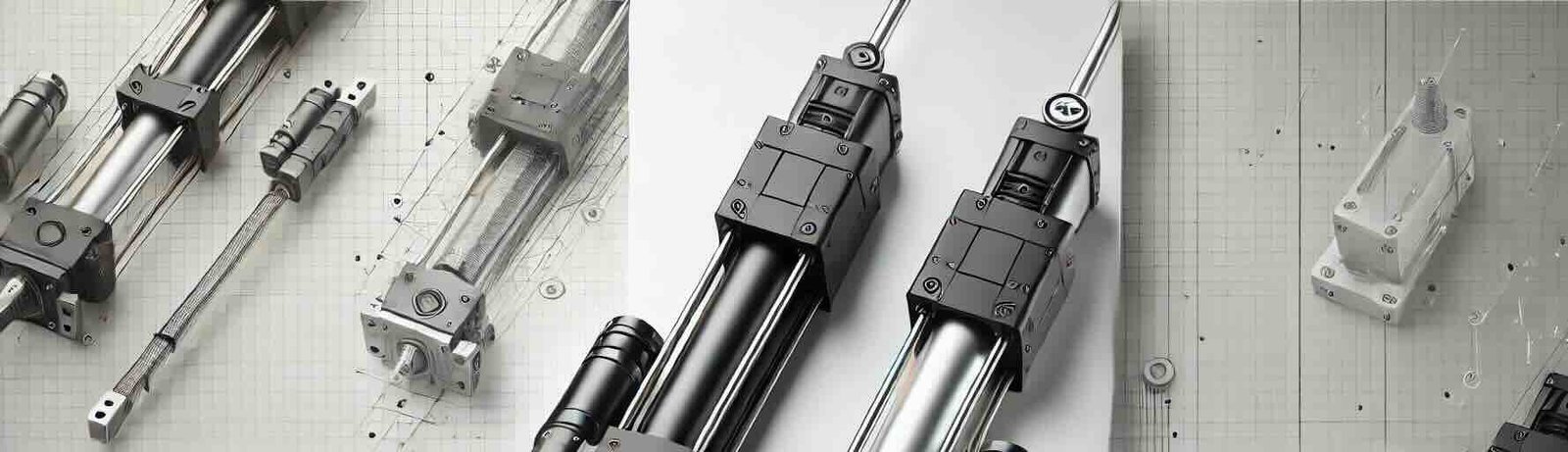
Unlike a simple electric screw actuator, our electric hydraulic actuator combines:
-
A compact DC motor (typically 12 V or 24 V)
-
An integrated micro hydraulic pump and reservoir
-
A hydraulic cylinder designed for stretcher kinematics
-
Internal valves and safety protections
into a sealed, ultra-micro hydraulic module optimized for emergency stretchers.
Key design targets:
-
Smooth lifting under full patient load
-
Compact installation space inside stretcher frames
-
Low noise for ambulance and hospital environments
-
Compatibility with ambulance hydraulic power units and other compact systems from SIRIUS
Typical applications:
-
Height adjustment for loading and unloading
-
Fine height control in ER / ICU
-
Support for bariatric or heavy-duty stretcher models
-
Integration into electric ambulance trolleys and transfer systems
2. Load: designing for real patient + equipment weight
For emergency stretchers, “maximum load” is not only the patient weight. We design around the total system load, including:
-
Patient weight (standard or bariatric)
-
Mattress, spinal board, IV stands
-
Monitoring devices and accessories
-
Dynamic forces during loading, braking and transport
To help OEMs size the actuator correctly, we distinguish:
-
Rated dynamic load — safe, continuous lifting load
-
Static load — higher load the system can hold when stationary
Typical design ranges for this actuator family (for reference):
-
Rated dynamic load: commonly configured in the 250–350 kg working range
-
Static load: higher, with built-in safety margin depending on model and frame design
When you send a project inquiry, we recommend including:
-
Target maximum patient + equipment load
-
Required safety factor (e.g. 1.5×, 2×)
-
Whether you use a single actuator or two actuators sharing the load
Our engineering team then selects or customizes a configuration that balances safety, size and cost for your stretcher platform.
3. Stroke: matching ambulance deck height and stretcher geometry
Stroke is critical for:
-
Loading height alignment with ambulance deck
-
Working height for doctors and nurses
-
Clearance around bumpers, ramps and guide rails
SIRIUS designs the electric hydraulic actuator to work with common stretcher frame structures, such as single-scissor or double-scissor mechanisms. To match your geometry, we focus on:
-
Stroke length: typically in the 300–450 mm range for emergency stretchers (other values available on request)
-
Retracted length: to fit inside the folded frame at lowest height
-
Extended length: to reach required maximum height while maintaining stability
For an accurate match, share:
-
Minimum and maximum bed heights (Hmin / Hmax)
-
Basic drawing of the stretcher frame, indicating pivot points and mounting points
-
Any required tilt function (Trendelenburg / reverse Trendelenburg) linked to the same actuator
With this data, SIRIUS can propose a stroke and mounting combination that integrates into your frame with minimal redesign.
4. Duty cycle: built for shift work, not showroom demos
In real life, a stretcher actuator must survive:
-
Multiple shifts per day
-
Frequent loading/unloading cycles
-
Small position adjustments during treatment
-
A wide temperature and humidity range
Duty cycle is influenced by:
-
Motor power and thermal design
-
Hydraulic pressure and flow
-
Oil volume and cooling path in the micro hydraulic system
-
Friction and efficiency in your frame and linkage
For typical emergency stretcher applications, we help OEMs define:
-
Expected number of full lift cycles per hour/day
-
Typical ON/OFF ratio of the DC motor (duty %)
-
Target total cycle life based on warranty and service expectations
SIRIUS has also developed technical know-how on enhancing electro-hydraulic actuator efficiency and stability, which supports our internal design rules for duty cycle and lifetime.
When you provide your usage profile (patients per day, cycles per patient, ambient conditions), we adjust:
-
Motor selection
-
Operating pressure
-
Speed and flow settings
to ensure the actuator runs cool and reliable over its intended service life.
5. Safety, noise and hygiene — medical-grade design priorities
For emergency medical devices, safety and infection control are as important as mechanical performance.
Safety functions
Depending on configuration, the actuator and system can include:
-
Pressure relief to prevent overload
-
Check / lock valves to prevent unintended lowering
-
Controlled descent even in the event of partial failure
-
Optional manual release / emergency lowering for power outage scenarios
Combined with a SIRIUS ambulance hydraulic power unit, we can design complete hydraulic circuits tailored to your risk analysis and local standards.
Low noise and patient comfort
-
Optimized pump and motor for low sound levels inside vehicle or ER
-
Smooth acceleration and deceleration to avoid shocks to the patient
-
Vibration control through proper mounting and damping
Hygiene and cleaning
-
Sealed, compact housing with minimal dirt traps
-
Materials compatible with common hospital disinfectants
-
Design suitable for frequent wipe-down and cleaning procedures
These points are particularly important for OEMs preparing for regulatory approval and hospital acceptance.
6. System approach: actuator + DC hydraulic power unit for ambulances
The electric hydraulic actuator is part of a broader portfolio that includes a dedicated Hydraulic Power Unit for Ambulance Applications and a compact hydraulic power unit for lifting applications.
For ambulance equipment manufacturers, this allows a system-level design:
-
Electric hydraulic actuator(s) inside the stretcher
-
DC micro hydraulic power unit installed on the vehicle
-
Control via hand pendants, foot switches or integrated control panels
-
Shared power and hydraulic circuits with other lifting or locking devices if needed
Advantages of using a single supplier for actuator + power unit:
-
Guaranteed compatibility of pressure, flow and speed
-
Simplified wiring and hose layouts
-
Easier commissioning and troubleshooting
-
One technical team supporting your design, sampling and mass production
If you are planning a new ambulance platform, SIRIUS can support you in defining both the stretcher actuator and the vehicle hydraulic system from the start, avoiding late-stage redesigns.
7. OEM/ODM options for stretcher manufacturers
As a manufacturer focused on ultra-micro hydraulic systems and PTFE sealing, SIRIUS works primarily with OEM and ODM customers worldwide.
Typical customization items include:
Mechanical & hydraulic
-
Stroke length tailored to stretcher geometry
-
Different load classes (standard / heavy-duty / bariatric)
-
Customized mounting interfaces (clevis, trunnion, flange)
-
Tuning of speed (lift / lower) and pressure
Electrical & control
-
12 V or 24 V DC motor options
-
Interface for your own controller or relay logic
-
Compatibility with external emergency stop and alarm systems
Sealing & environment
-
PTFE-based sealing solutions designed in-house, leveraging SIRIUS expertise in high-end sealing products
-
Configurations for specific temperature ranges or aggressive cleaning conditions
Branding & documentation
-
Neutral or OEM-branded labels
-
Technical drawings, test reports and performance curves
-
Support files for your regulatory and technical documentation
If you already have an actuator from another supplier, our engineers can review your current drawings or sample, then propose a drop-in replacement or upgraded design.
8. How to specify your project – information to prepare
To receive a fast, accurate proposal, you can include the following points in your inquiry:
-
Application details
-
Type of stretcher (ambulance, ER trolley, bariatric, transfer, etc.)
-
Target markets and key standards (e.g. EN 1789 or local ambulance regulations)
-
-
Mechanical data
-
Maximum patient + equipment load
-
Minimum and maximum bed heights
-
Any tilt function required
-
Basic drawing or key dimensions of the frame
-
-
Performance & duty cycle
-
Desired lifting/lowering time between Hmin and Hmax
-
Estimated cycles per day and per year
-
Planned product lifetime or warranty terms
-
-
Electrical & environment
-
Vehicle supply voltage (12 V or 24 V DC)
-
Operating temperature and humidity range
-
Noise or IP rating requirements
-
-
Commercial framework
-
Annual volume per model
-
Target schedule (sample, trial order, SOP)
-
With this information, SIRIUS can quickly:
-
Recommend a suitable electric hydraulic actuator configuration
-
Propose a matching ambulance hydraulic power unit if required
-
Share indicative lead time and pricing for samples and production batches
9. FAQ – questions from stretcher and ambulance OEMs
Q1. Can I use this actuator to upgrade an existing manual stretcher?
In many cases yes, but the frame must be evaluated. If you share current drawings and load requirements, our engineers will check whether your structure can safely support a hydraulic upgrade or whether a new frame concept is more efficient.
Q2. What’s the typical lead time for samples?
Lead time depends on the level of customization. Standard-window configurations are faster; highly customized mounts or performance curves require additional engineering time. We will confirm sample and mass-production lead time together with your quotation.
Q3. Do you only supply the actuator, or also the whole hydraulic system?
We can supply just the actuator or a complete micro hydraulic system including DC power unit, valves and basic controls. Many ambulance OEMs prefer a complete system from one manufacturer to simplify validation and after-sales service.
Q4. Can you support long-term projects and platform development?
Yes. As a manufacturer specialized in ultra-micro hydraulic systems and sealing solutions, SIRIUS works with OEMs on multi-year stretcher and ambulance platforms, from early concept to mass production, including continuous optimization based on field feedback.
If you are planning a new emergency stretcher range or upgrading an existing model, the right electric hydraulic actuator can make your design safer, easier to operate and more competitive.
Share your project details with SIRIUS, and the engineering team will help you turn your requirements for load, stroke, duty cycle and OEM options into a compact, reliable electro-hydraulic solution for real emergency work.