Motor-Controlled Electro-Hydraulic Actuators
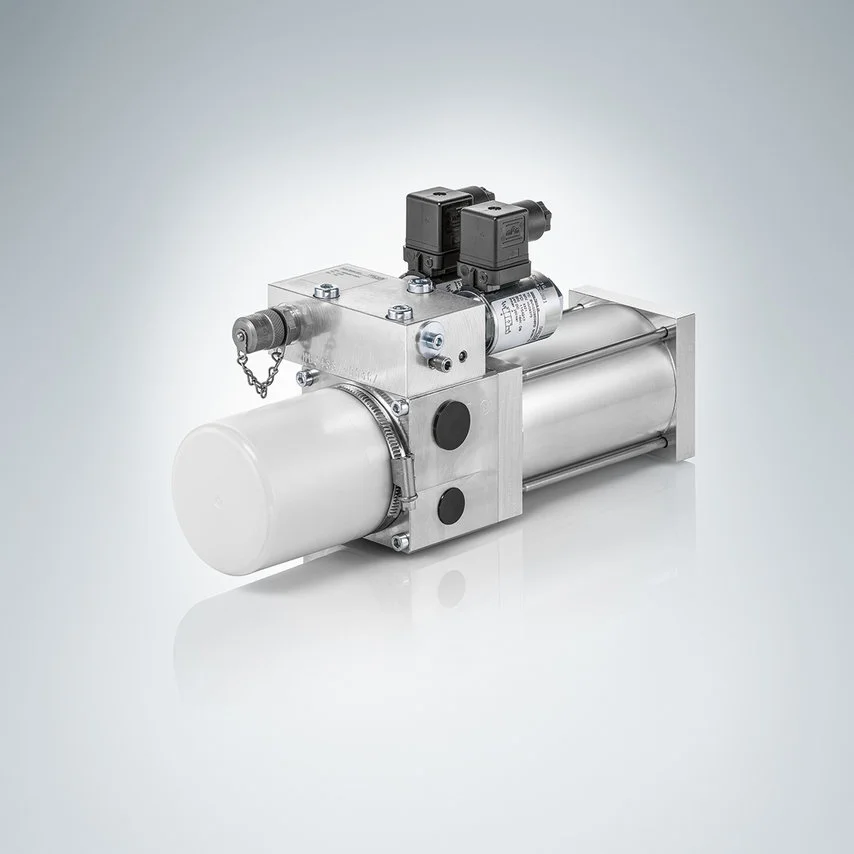
Manufacturers of motor-controlled electro-hydraulic actuators employ closed-loop hydraulic systems that utilize stepper or servo motors to regulate the direction and flow of pressure oil from bi-directional pumps. This design enables precise control of controlled objects, as exemplified by industry leaders like REXA (USA).
Performance Advantages and Limitations
High-precision electro-hydraulic servo actuators deliver exceptional performance:
- High thrust output and rapid full-stroke response
- Fast dynamic response with sub-millisecond precision
- Zero overshoot and ultra-stable operation
- Ideal for severe conditions including high pressure differentials and viscous fluids
However, traditional servo systems require dedicated hydraulic power units or complex servo control systems, resulting in:
- Large footprint and heavy weight
- High oil purity requirements
- Potential leakage risks
- Elevated production/operating costs (energy + maintenance)
These factors limit traditional servo actuators to applications requiring extreme force or ultra-precision continuous control.
Motor-Controlled Advantages
Compared to conventional servo systems, motor-controlled electro-hydraulic actuators offer:
- Compact, lightweight design with easy installation
- Lower lifecycle costs (production + operation)
- Energy efficiency (motors/pumps activate only during adjustment)
- Comparable performance to servo systems in most parameters
Application Limitations
Motor-controlled systems face challenges in scenarios requiring:
- Very high power outputs
- Extended stroke lengths
- High inertial loads
- Complex dynamic compensation
Electro-Hydraulic Servo Valve Diagnostics
As integrated electromechanical-hydraulic components, servo valve systems require specialized troubleshooting protocols. Key failure modes and analysis methods include:
1. Zero Offset Faults
Symptoms:
- Drift in actuator initial position
- Compromised fail-safe functionality
Causes:
- Null current exceeding specified tolerance
- Mechanical wear in spool/sleeve assemblies
- Electrical noise interference
2. Internal Leakage Issues
Symptoms:
- Failure to reach rated system pressure
- Pressure fluctuations during operation
- Elevated oil temperatures and noise levels
Diagnostic Approach:
- Pressure decay testing under static conditions
- Thermal imaging of valve body temperature differentials
- Particle count analysis of hydraulic fluid
3. Hysteresis & Resolution
Testing Methods:
- Sinusoidal input signal analysis
- Frequency response measurements
- Step-response monitoring for deadband identification
4. Flow Gain Analysis
Validation Procedures:
- Flow rate calibration at varying differential pressures
- Pressure-flow characteristic mapping
- Load sensitivity testing under dynamic conditions
5. Pressure Performance
Critical Parameters:
- Load pressure coefficient stability
- Supply pressure sensitivity
- Pressure override characteristics
System Integration Considerations
While motor-controlled systems address many limitations of traditional servo valves, complex control scenarios may still require hybrid solutions. Proper selection should balance performance requirements, environmental constraints, and total cost of ownership. Regular preventive maintenance and real-time condition monitoring remain essential for optimizing system reliability in industrial applications.
This technical overview provides actionable insights for engineers and maintenance professionals seeking to optimize electro-hydraulic system performance while managing operational costs.