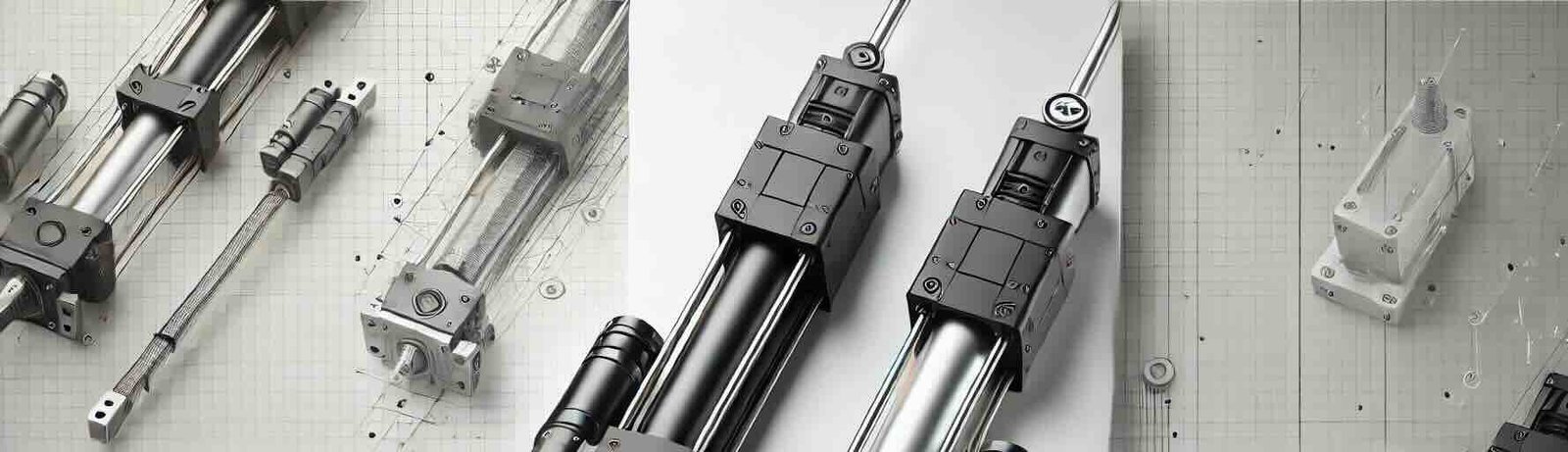
Electro-hydraulic actuators are highly capable and can meet most of the goals of electro-hydraulic servo actuators. While motor-driven electro-hydraulic actuators have plenty of advantages, they fall short when it comes to handling high power, long strokes, heavy inertia, and complex compensation needs—areas where traditional electro-hydraulic servo actuators really shine.
Compared with pneumatic actuators, electro-hydraulic actuators combine electronics, mechanics, and hydraulic transmission. This gives them key advantages like high adjustment accuracy, strong output force, fast stroke speed, quick response, smooth operation, no lag, no vibration, low noise, and high reliability.
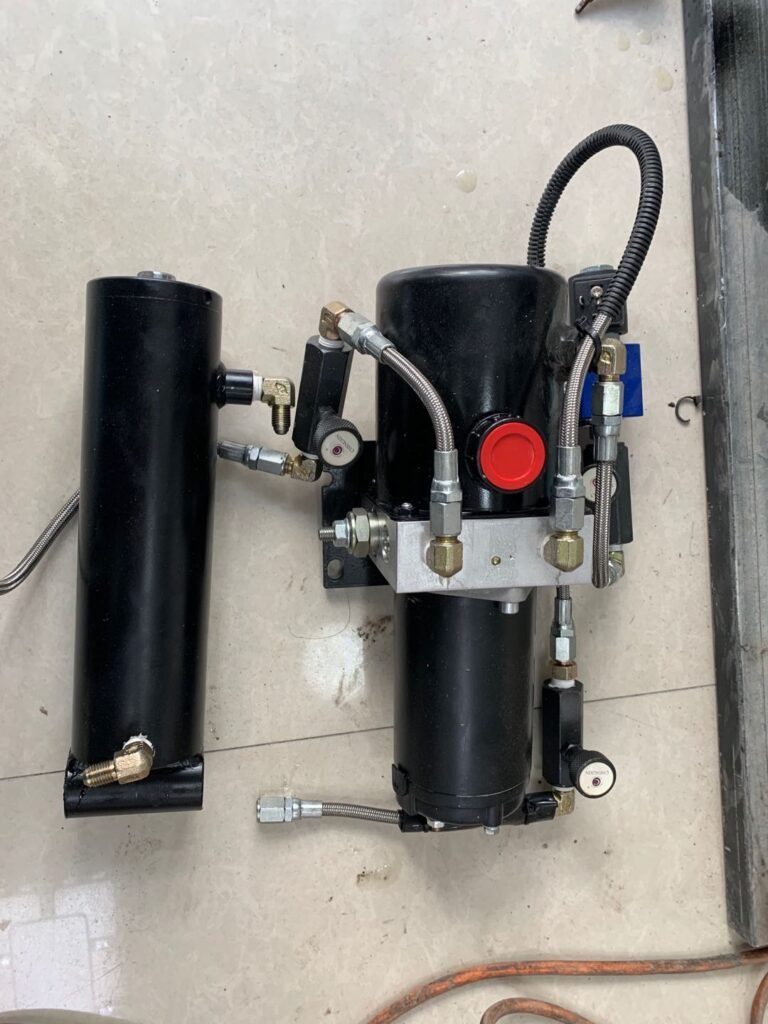
Now, one common issue manufacturers point out is hydraulic pump overheating. The pump is the main heat source: with high speeds, high pressure, harsh working conditions, oil contamination, improper oil selection, or insufficient oil, problems like pump wear and leakage occur. Internal leakage increases power loss and accelerates wear. If air gets into the oil, it compresses easily, leading to dry friction. Continuous leakage, friction, or compression in the pump generates a lot of heat, which raises oil temperature and overheats the whole system.
The working environment also matters. When equipment operates continuously in high temperatures, with poor cooling or weak heat dissipation, the heat generated exceeds what can be released. As a result, the oil temperature just keeps climbing.
In automatic control systems, electro-hydraulic actuators play an essential role. They take control signals from the controller, adjust the controlled medium, and keep the variable within the required value or range.
Actuators are generally divided into three types: pneumatic, hydraulic, and electric.
-
Pneumatic actuators use compressed air. They’re simple in structure, reliable, smooth in action, provide decent thrust, are easy to maintain, explosion-proof, and cost-effective. That’s why they’re widely used in industries like chemicals, paper-making, and refining. Even with electric instruments or computer control, they can still be used—by converting electrical signals into standard 20–100 kPa air pressure signals via an electro-pneumatic converter or valve positioner.
-
Electric actuators are convenient to power and transmit signals quickly, but they’re more complex in structure and weaker in explosion-proof performance.
-
Hydraulic actuators provide very large output force, but they’re rarely used in chemical and refining processes today.