
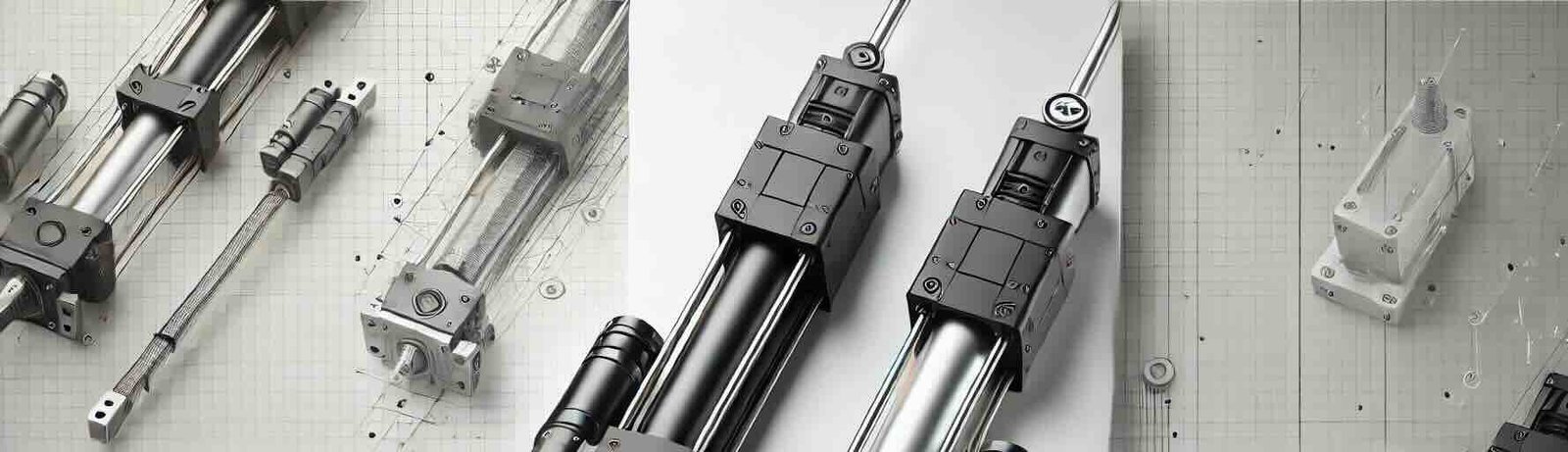
Before diving into the advantages, it is essential to understand what special hydraulic mechanisms are and how they function within a wheelchair. A hydraulic system uses fluid to transmit force and motion. In the context of wheelchairs, these systems are typically used to provide smooth, controlled movement when adjusting the wheelchair’s height, tilt, or recline. Hydraulic mechanisms replace traditional mechanical systems with more fluid-based technology, allowing for precise and smooth adjustments with minimal effort.
These systems can be used in a variety of wheelchair models, from manual to powered wheelchairs, and are often incorporated into special designs to help users with specific mobility needs.

1. Enhanced Comfort and Posture Support
One of the most significant benefits of special hydraulic mechanisms is the improvement in comfort and posture support. Traditional wheelchairs may lack the ability to offer personalized seating adjustments, which can lead to discomfort, pain, and even long-term health issues for users.
With hydraulic systems, users can easily adjust the angle of the seat, backrest, or footrest with minimal effort. This adjustment ensures that individuals maintain an optimal posture throughout the day, reducing the strain on their back, neck, and legs. Furthermore, these adjustments are often made smoothly and silently, allowing for a quiet, unobtrusive experience.
| Adjustment Type | Traditional Wheelchair | Hydraulic Mechanism Wheelchair |
|---|---|---|
| Seat Height | Manual Adjustment | Smooth, effortless adjustment |
| Backrest Angle | Limited Adjustability | Precise angle control |
| Footrest Position | Fixed or Limited | Adjustable for maximum comfort |
Improved Posture
For individuals who spend extended periods in a wheelchair, poor posture can lead to long-term complications such as spinal curvature, muscle stiffness, and pressure sores. Hydraulic mechanisms enable dynamic positioning that encourages better posture, which not only enhances comfort but also contributes to overall health.
2. Increased Independence and Control
Many wheelchair users experience a lack of independence due to the need for assistance in performing various adjustments. This can be particularly frustrating when users require frequent position changes to relieve pressure, stretch, or change their view.
With special hydraulic mechanisms, users gain greater control over their wheelchair’s adjustments. Powered or manual hydraulic systems allow individuals to modify the seat height, tilt, or recline position independently. This ability fosters a sense of autonomy, reducing the reliance on caregivers or family members and enabling users to make adjustments at their convenience.
Hydraulic-powered adjustments are especially beneficial for individuals who have limited mobility or strength. The smooth action of the system allows users to perform adjustments without exerting excessive force or straining themselves.
3. Enhanced Safety Features
Safety is always a top priority when designing mobility devices, and special hydraulic mechanisms contribute significantly to wheelchair safety. The ability to adjust the seat position, recline, or elevate using a hydraulic system provides more stable, secure support compared to manual systems.
For example, when using a hydraulic system to raise the wheelchair’s seat, users can lift themselves higher, enabling better visibility and reducing the risk of falls or accidents. Furthermore, users with specialized needs, such as those with severe disabilities or limited upper body strength, can rely on hydraulic systems to maintain a secure, stable position without worrying about sudden shifts or movements.
In cases where quick adjustments are required to relieve pressure on specific body parts, hydraulic systems provide a safer, quicker solution compared to manual systems, which may require more forceful or complicated movements.
4. Greater Adaptability for Varied Environments
Modern life requires individuals to navigate a variety of environments—whether it’s transitioning from a car to a building, adjusting to different types of terrain, or simply enjoying time outdoors. Special hydraulic mechanisms offer greater adaptability for different environments by providing more flexibility in height and angle adjustments.
For example, a hydraulic reclining system can assist users in transitioning from sitting upright to reclining at a comfortable angle when relaxing or adjusting to a different position in a vehicle. Similarly, a hydraulic lift can make it easier for users to reach higher shelves, counters, or even attend events from elevated seating, all with minimal effort.
With hydraulic technology, wheelchair users can experience greater freedom and independence in various settings, making it easier to engage with daily activities that require a diverse set of mobility demands.
5. Smooth and Quiet Operation
Incorporating hydraulic mechanisms into modern wheelchairs ensures smooth, quiet operation, a significant improvement over older models. Many traditional wheelchair adjustment mechanisms, particularly manual ones, can be noisy or jerky, which can be disruptive or uncomfortable for the user.
Hydraulic systems offer a seamless experience, operating quietly and smoothly, without any of the sudden jerks or clanking sounds typically associated with mechanical systems. This subtle operation makes for a more comfortable experience for both the user and those around them.
6. Durability and Low Maintenance
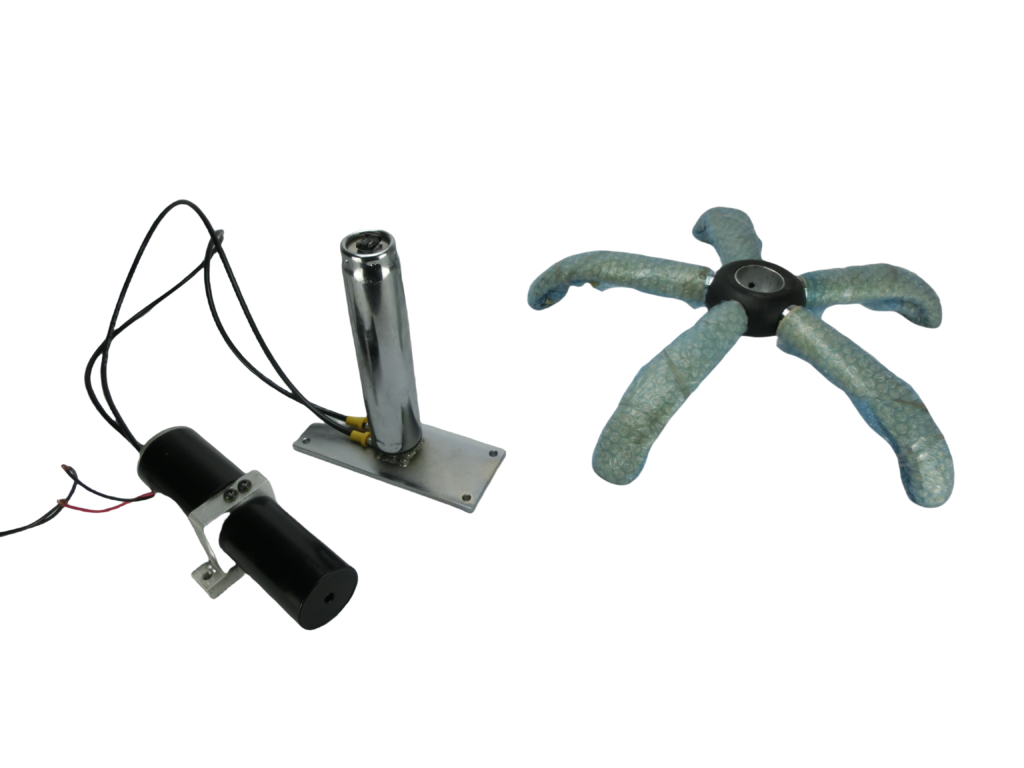
When investing in a wheelchair, durability is a key factor in ensuring long-term usability. Special hydraulic mechanisms are designed to be highly durable, requiring less frequent maintenance compared to traditional mechanical systems. Since hydraulic systems rely on fluid transmission, there are fewer moving parts subject to wear and tear, reducing the likelihood of breakdowns.
These systems also tend to be highly resistant to damage from daily use and environmental factors, such as moisture or dirt. Additionally, the maintenance of hydraulic systems is generally less complicated than mechanical alternatives, making it easier to service and prolong the lifespan of the wheelchair.
7. Aesthetic and Design Flexibility
Finally, special hydraulic mechanisms offer greater design flexibility, allowing wheelchair manufacturers to create aesthetically pleasing, ergonomic, and user-friendly models. With hydraulic systems, designers can focus on sleek, modern designs without being constrained by bulky mechanical components.
The clean, streamlined look of hydraulic wheelchair systems is appealing to many users who want a wheelchair that is both functional and visually attractive. Additionally, the compact nature of hydraulic systems means that more room can be dedicated to comfort, storage, and accessories.
Conclusion
The integration of special hydraulic mechanisms into modern wheelchairs has ushered in a new era of mobility solutions that prioritize comfort, independence, and functionality. From enhanced comfort and safety features to greater adaptability and smooth operation, these systems are transforming the experience for wheelchair users around the world.
By offering adjustable seating positions, greater control over mobility, and increased durability, hydraulic systems are not only enhancing the day-to-day lives of wheelchair users but also opening up new possibilities for accessibility. Whether you’re looking to improve posture, gain more control over adjustments, or experience a smoother, quieter ride, a wheelchair equipped with special hydraulic mechanisms is a powerful tool that can help make life easier and more enjoyable.