
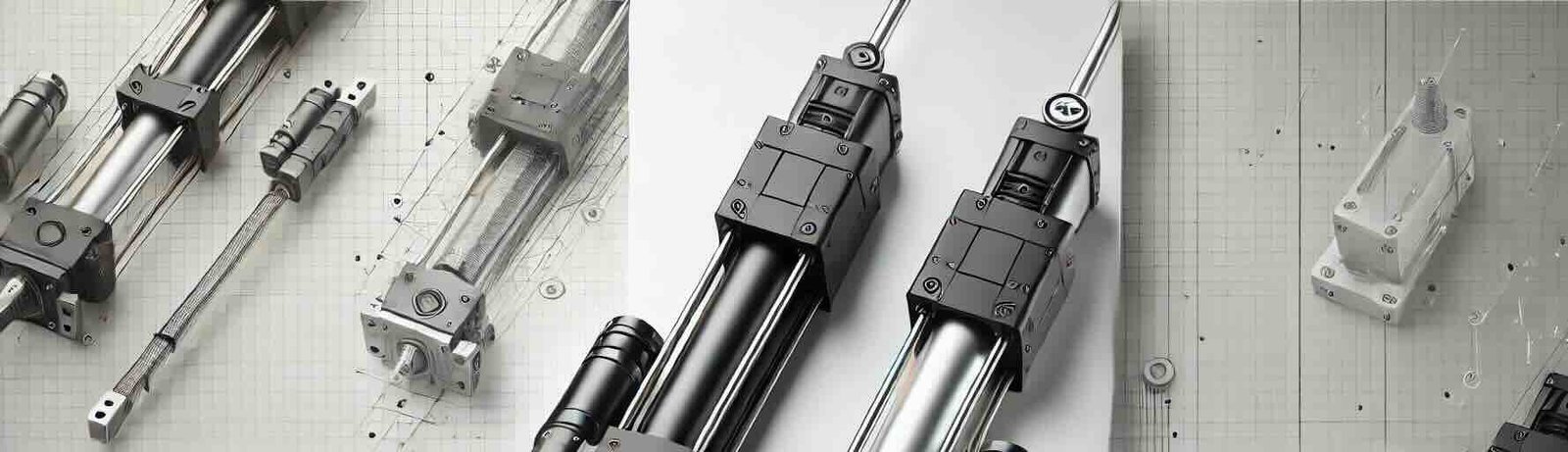
Welcome to this in-depth guide on compact hydraulic power units (CHPU). This article covers everything you need to know about these essential hydraulic systems, including their design, applications, advantages, and maintenance tips. Whether you're an engineer, designer, or just interested in fluid power systems, this guide will provide valuable insights.
Table of Contents
- 1. Introduction to Compact Hydraulic Power Units
- 2. Key Components of a Compact Hydraulic Power Unit
- 3. Applications of Compact Hydraulic Power Units
- 4. Benefits of Compact Hydraulic Power Units
- 5. How to Select the Right CHPU for Your Needs
- 6. Maintenance and Troubleshooting Tips
- 7. Future Trends in Compact Hydraulic Power Units
- 8. Conclusion and Key Takeaways
1. Introduction to Compact Hydraulic Power Units
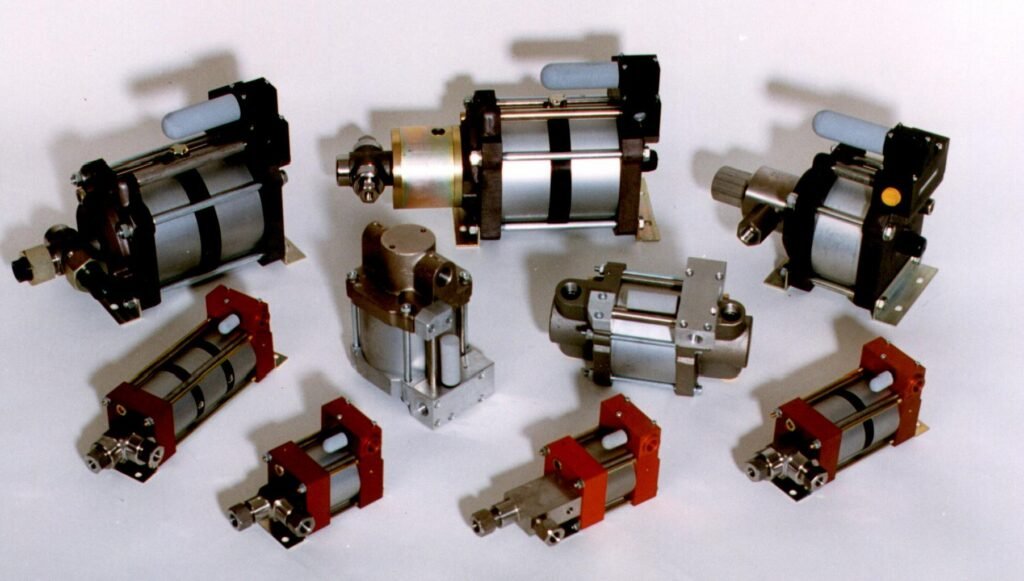
Compact Hydraulic Power Units (CHPU) are integral components in various industrial and mobile hydraulic applications. These units combine hydraulic pumps, motors, reservoirs, and other essential elements into a compact system, allowing for greater efficiency and space-saving solutions. Understanding how CHPU works can greatly benefit those involved in the design, operation, and maintenance of hydraulic systems.
What is a Compact Hydraulic Power Unit?
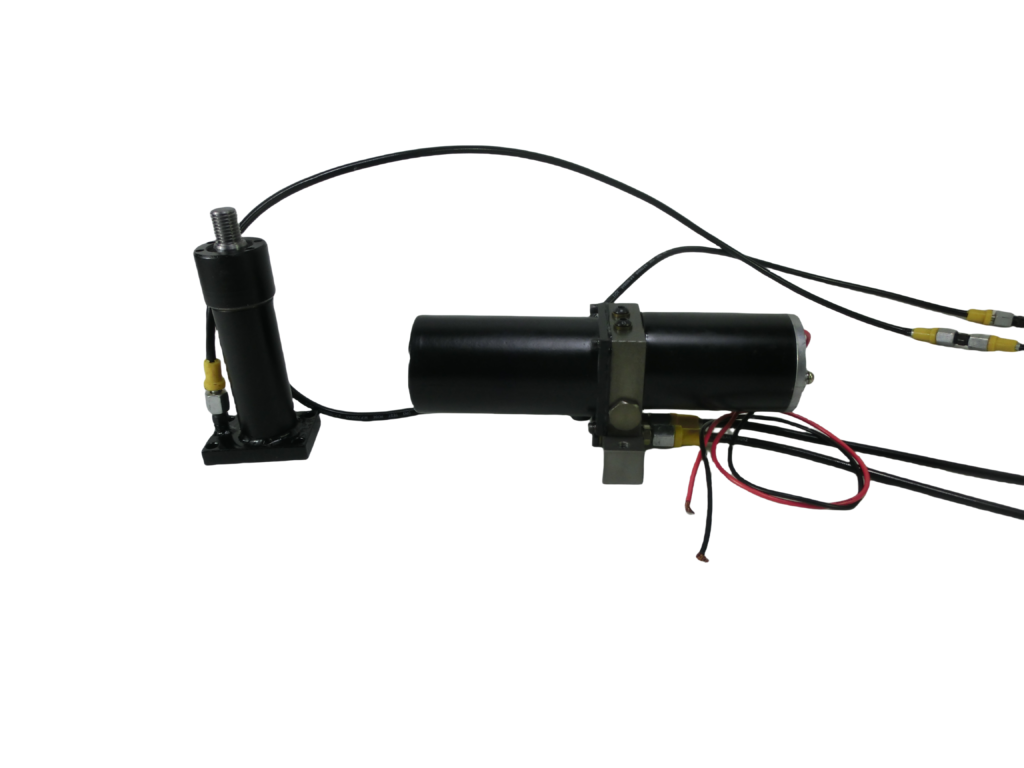
A compact hydraulic power unit is a self-contained hydraulic system that provides the necessary hydraulic power to drive hydraulic actuators such as cylinders and motors. These units are often used in environments where space is limited, yet high power density is required.
2. Key Components of a Compact Hydraulic Power Unit
Each compact hydraulic power unit consists of several key components. Below, we break down these elements and their functions in a typical CHPU design.
Table 1: Key Components of a Compact Hydraulic Power Unit
| Component | Description |
|---|---|
| Hydraulic Pump | The pump generates the flow of hydraulic fluid, powering the entire system. |
| Hydraulic Motor | The motor converts hydraulic energy into mechanical energy for movement. |
| Hydraulic Reservoir | The reservoir stores the hydraulic fluid necessary for system operation. |
| Control Valves | These regulate the flow of hydraulic fluid to the actuators. |
| Filters | Filters keep the hydraulic fluid clean and free of contaminants. |
System Design Considerations
When designing a CHPU, it is essential to consider factors such as power requirements, space constraints, environmental conditions, and the type of application. The integration of all components into a compact unit is a key design challenge.
3. Applications of Compact Hydraulic Power Units
Compact hydraulic power units are versatile and can be found in numerous industries. Some of the most common applications include:
Table 2: Applications of Compact Hydraulic Power Units
| Industry | Application |
|---|---|
| Agriculture | Hydraulic systems in farming machinery like tractors and harvesters. |
| Automotive | Used in car lifts, power steering systems, and automotive testing equipment. |
| Construction | CHPUs are used in construction machinery such as excavators and cranes. |
| Manufacturing | Hydraulic presses, conveyor systems, and material handling equipment. |
| Marine | Used in winches, anchor systems, and steering mechanisms on ships. |
Hydraulic Systems in Mobile Equipment
One of the major advantages of compact hydraulic power units is their application in mobile equipment, where space and weight are critical. Their compact nature allows for easy integration into smaller machines and vehicles without sacrificing performance.
4. Benefits of Compact Hydraulic Power Units
Compact hydraulic power units offer numerous advantages, making them ideal for certain industrial and mobile applications. Some of the key benefits include:
- Space Efficiency: CHPU’s small size makes them perfect for environments with limited space.
- Energy Efficiency: These units can provide high power output with minimal energy consumption.
- Versatility: CHPU can be used in a wide range of industries, from construction to agriculture.
- Easy Installation: The compact design allows for quick and easy integration into existing systems.
5. How to Select the Right CHPU for Your Needs
Selecting the right CHPU involves understanding your specific needs and requirements. Key factors to consider include:
- Required hydraulic power (flow and pressure)
- Operating environment (temperature, humidity, dust levels)
- Size and weight constraints
- System maintenance and accessibility

6. Maintenance and Troubleshooting Tips
Regular maintenance is crucial to keeping compact hydraulic power units running smoothly. Here are some tips for proper maintenance:
Table 3: Common Maintenance Tasks for CHPU
| Task | Frequency | Purpose |
|---|---|---|
| Check Fluid Levels | Weekly | Ensure proper fluid levels for smooth operation. |
| Inspect Filters | Monthly | Prevent contamination and ensure fluid cleanliness. |
| Check for Leaks | Weekly | Prevent fluid loss and ensure system integrity. |
| Test Pressure Relief Valve | Quarterly | Ensure safety by testing the valve under pressure. |
Troubleshooting Common Issues
If your CHPU is malfunctioning, common issues could include hydraulic fluid leakage, low pressure, or excessive noise. Always consult the manual or a professional technician to resolve these issues efficiently.
7. Future Trends in Compact Hydraulic Power Units
The future of CHPU technology is focused on improvements in efficiency, sustainability, and integration with digital systems. Some of the trends include:
- Electric Actuators: The rise of electric actuators in conjunction with hydraulic power units.
- IoT Integration: Integration with IoT sensors for predictive maintenance and real-time monitoring.
- Hybrid Systems: Combining hydraulics with electric systems to improve energy efficiency.
8. Conclusion and Key Takeaways
Compact Hydraulic Power Units are a vital part of modern hydraulic systems. Their compact design, efficiency, and versatility make them suitable for various applications across industries. Proper selection, maintenance, and understanding of CHPU technology are essential for maximizing their potential in your projects.
Table 4: Summary of Key Benefits
| Benefit | Description |
|---|---|
| Space-Saving | Ideal for applications where space is limited. |
| Energy-Efficient | Provides high power with low energy consumption. |
| Cost-Effective | Reduces costs due to energy savings and compact design. |
By understanding how compact hydraulic power units work and their benefits, you can better leverage this technology in your projects.