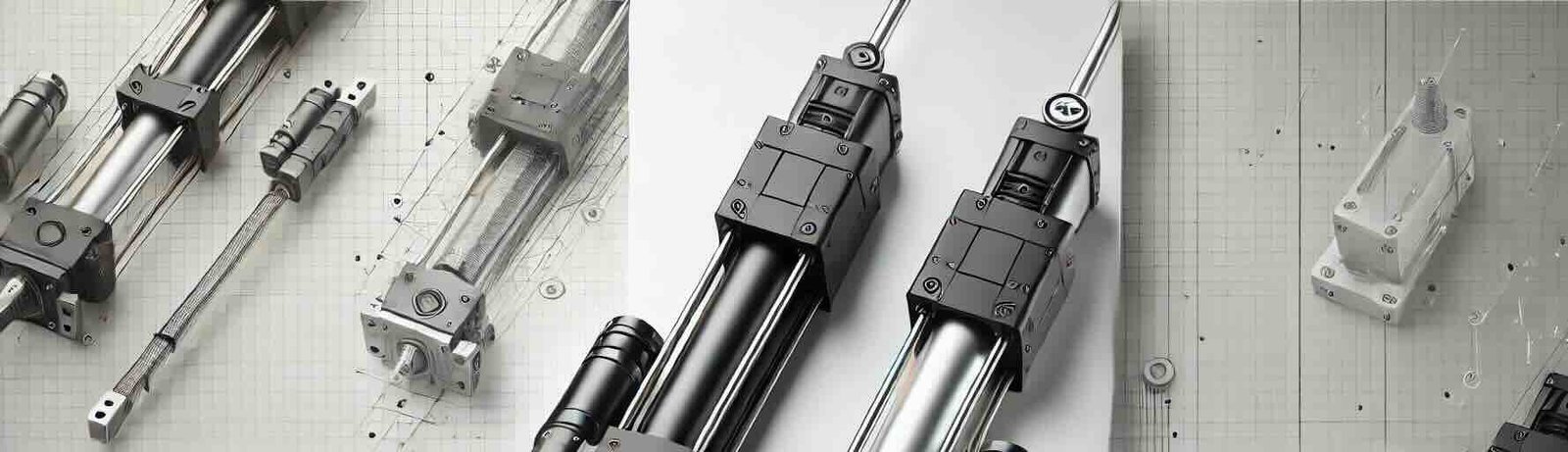
There are three main types of actuators used for control valves: electric, hydraulic, and electro-hydraulic. Each has its own advantages and disadvantages, which are discussed below.
Actuators: Actuators are currently used in most industrial control applications. Because they are powered by gas, they are more economical than electric and hydraulic actuators. They also have a simpler structure and are easier to operate and maintain. From a maintenance perspective, actuators are easier to operate and calibrate than other types of actuators, and can easily be reversed in the field. Their greatest advantage is safety. When used with an actuator, they are ideal for flammable and explosive environments. However, if electrical signals are not explosion-proof or intrinsically safe, there is a potential fire hazard from sparks. Therefore, although electric control valves are increasingly widely used, control valves still hold a clear advantage in the chemical industry.
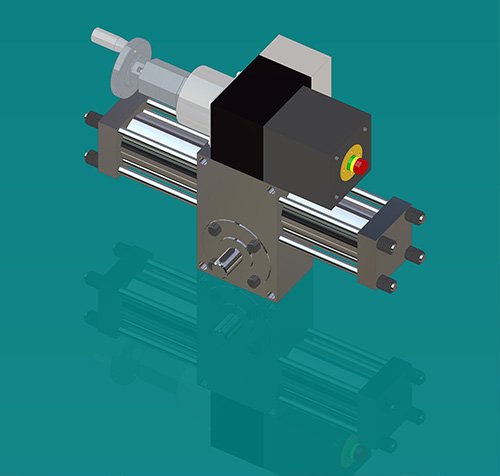
The main disadvantages of actuators are slow response, poor control accuracy, and poor anti-drift capability. This is due to the compressibility of gas, especially when using large actuators.
The quality of electric actuator valves can be determined by the manufacturer and the brand of Denso. Generally speaking, electric systems are slightly more complex to maintain than pneumatic systems, involving both electrical and mechanical components. Conventional electric system failures are generally mechanical, while intelligent electric systems are generally the most prone to failure.